


Small group in Canton combines expert guidance, peer support, and structured workouts to transform fitness results, motivation, and community engagement. Solo routines often falter due to isolation, inconsistent accountability, and limited feedback. This article examines core advantages of group training, contrasts solo pitfalls, outlines how to find top Canton programs, explores psychological dynamics like the Köhler Effect, and compares costs—empowering you to choose the smartest path to sustained fitness success.
What Are the Key Benefits of Small Group Personal Training in Canton?
Small group personal training delivers focused coaching for each member within a collaborative environment, driving improved adherence through social facilitation and cost-effective value. By blending individualized cues with group energy, this approach accelerates progress and fosters lasting small group personal training.
Before diving into details, consider these five primary benefits of fitness programs:
- Enhance motivation through visible peer effort and collective enthusiasm in every workout.
- Strengthen accountability as trainers and fellow participants track progress and celebrate milestones.
- Reduce per-person investment by sharing coaching time and facility resources.
- Maintain personalized adjustments as trainers correct form for each individual.
- Build camaraderie that sustains long-term commitment and enjoyment.
These advantages set the stage for deeper exploration of how group training outperforms solo routines in .
How Does Small Group Training Boost Motivation and Accountability?
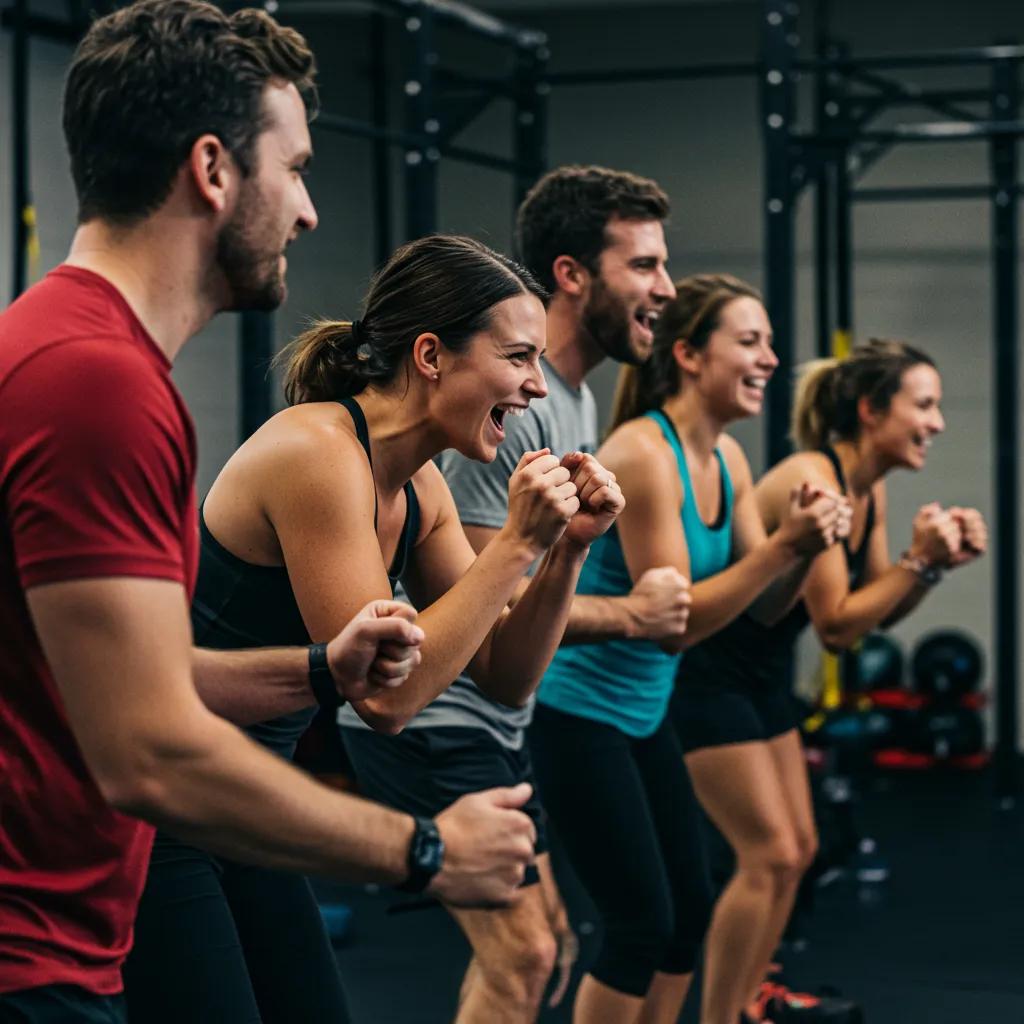
Small group training boosts motivation by pooling individual drive into collective energy. Trainers assign partner drills and rotating leadership roles, prompting each participant to show up prepared. Regular progress check-ins and public goal boards reinforce accountability, making members less likely to skip sessions and more inclined to push harder in every set.
Why Is Small Group Training More Cost-Effective Than Solo Personal Training?
Group sessions deliver comparable expertise at a shared cost, lowering individual cost.
| Training Type | Cost per Session | Value Proposition |
|---|---|---|
| One-on-One Personal Training | $60–$80 | Exclusive attention but higher price |
| Small Group Personal Training | $20–$30 | Expert coaching at one-third the cost |
| Group Classes | $10–$15 | Affordable but limited personalization |
Sharing the trainer’s time reduces overall expense while preserving tailored feedback, making a budget-friendly choice for Canton residents.
How Does Personalized Attention Work in a Small Group Setting?
Each session begins with individualized assessments, allowing trainers to assign modifications that match strength levels and mobility needs. While circuits rotate members through various stations, trainers monitor form continuously and offer corrective cues. This dynamic structure delivers bespoke guidance without sacrificing group.
What Role Does Social Connection Play in Group Fitness Success?
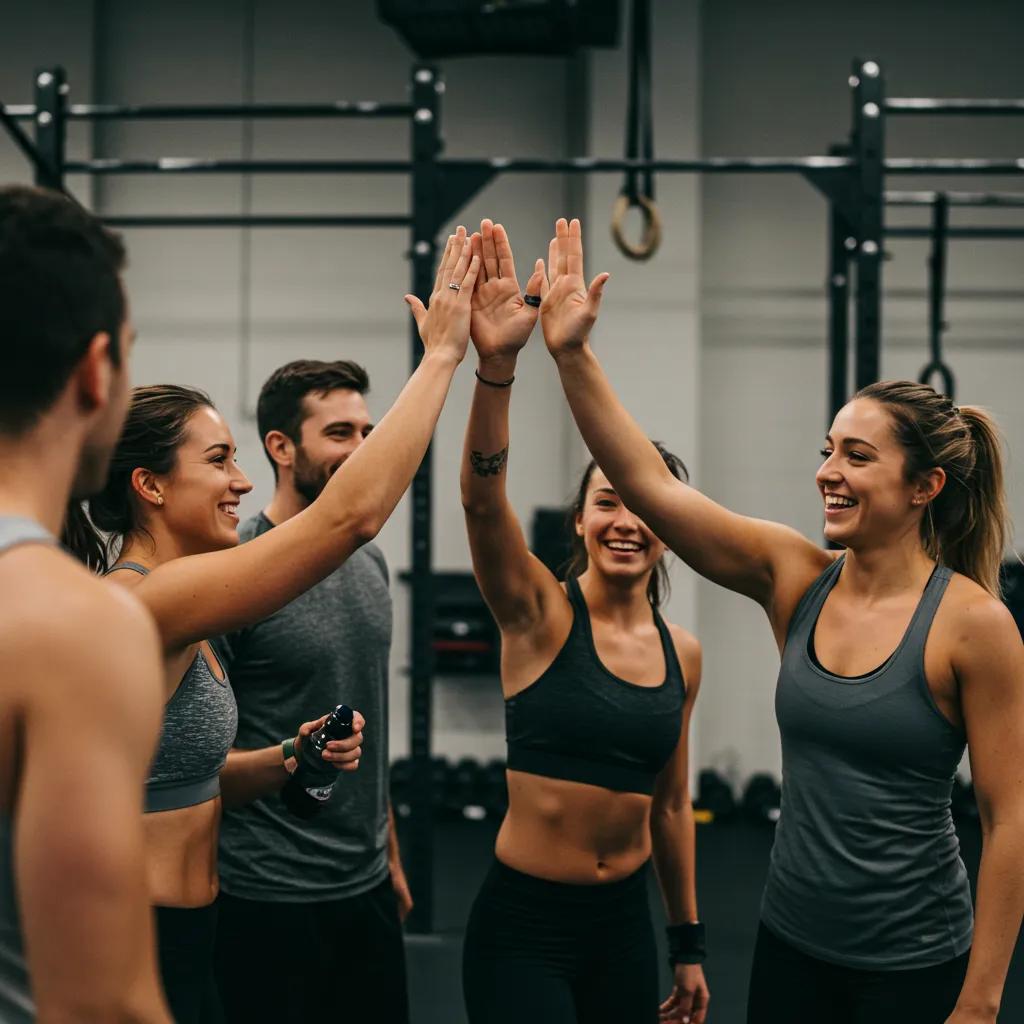
Social connection engages intrinsic reward systems by fostering belonging and mutual encouragement. Celebratory high-fives after strong lifts, shared progress stories, and group challenges reduce perceived effort and boost mood. These interactions reinforce habit formation and minimize dropout rates, translating camaraderie into consistent personal training.
Personal and Social Benefits of Small-Group Training
Why Do Solo Workouts Often Fail Compared to Small Group Training?
Solo workouts frequently struggle due to missing external structure, observation, and reinforcement. Without clear deadlines and peer pressure, motivation dwindles and routines become predictable, leading to disengagement and performance plateaus.
- Lack of consistent external accountability.
- Limited real-time form correction and safety oversight.
- Reduced variety and insufficient progression cues.
Together, these gaps explain why many faster within small groups rather than alone.
What Makes Staying Motivated Alone So Difficult?
Maintaining solo motivation requires self-discipline and intrinsic drive, which fluctuate daily. In contrast, group commitments create engagement that propel members to attend and engage, even on low-energy days.
How Does Solo Training Increase Injury Risk and Plateaus?
Training without professional training raises the chance of incorrect technique and overloading joints. often leads to repetition of the same exercises, causing adaptation plateaus and higher injury likelihood.
Increased Injury Risks with Solo Training
Why Are Results Slower When Training Solo?
Solo athletes lack comparative benchmarks and tend to underload or overtrain. Group settings provide continual performance cues—such as timed intervals or rep comparisons—that drive incremental gains and faster strength and endurance improvements. If you want to improve such performances, consider small group personal training.
How Can Canton Residents Find the Best Small Group Personal Training?
Selecting the right program starts with clear criteria, ensuring quality and alignment with personal goals. Recognizing key features helps Canton residents evaluate confidently.
- Look for certified trainers who tailor plans to varied fitness levels and objectives.
- Verify small group sizes (ideally 4–8) to guarantee individualized feedback.
- Confirm programming diversity, including strength, cardio, and mobility components.
These benchmarks guide you to personal training that deliver expert instruction, safety, and engaging variety.
What Should You Look for in a Small Group Training Program in Canton?
Seek providers with documented success stories and transparent class structures. Assess whether they track metrics like strength gains or body composition. Prioritize studios that foster community through social events and accountability tools such as .
Who Are the Certified Small Group Personal Trainers Serving Canton?
Qualified trainers hold credentials from organizations like NASM or ACE and continue education in biomechanics and exercise psychology. Their profiles often highlight specialties—such as injury rehabilitation or personal training—ensuring they match your specific needs.
Are There Online Small Group Training Options Available in Canton?
Hybrid models combine live virtual sessions with periodic in-person meetups. These programs use video conferencing for real-time coaching and digital platforms for small group personal training, allowing Canton residents to maintain group dynamics even from home.
How Does Group Fitness Psychology Improve Performance and Adherence?
Group fitness psychology leverages social facilitation and shared goal setting to amplify effort and reduce perceived exertion. By embedding workouts within a supportive network, participants experience elevated self-efficacy that sustains long-term fitness programs.
Key psychological drivers include collective identity, competitive spirit, and mutual reinforcement, all of which concentrate effort and resilience.
What Is the Köhler Effect and How Does It Enhance Group Workouts?
The Köhler Effect describes performance gains when the weakest group member strives to avoid being the limiting link. By pairing less experienced members with stronger peers, trainers trigger heightened individual effort, boosting overall session intensity and personal training.
The Köhler Effect in Group Exercise
How Does Group Support Increase Long-Term Fitness Commitment?
Consistent encouragement, shared accountability, and collaborative goal-setting foster a sense of obligation to the group. Celebrating small wins as a team reduces stress and reinforces positive behaviors, which in turn cements exercise as an small group personal training.
What Are the Cost Comparisons Between Small Group and Solo Personal Training in Canton?
Understanding financial factors clarifies why group training often yields higher return on investment. Shared session formats dilute per-person costs while preserving expert oversight, making economically advantageous.
Consider these typical price points for services:
- One-on-one personal training: $60–$80 per session
- Small group personal training: $20–$30 per session
- Drop-in group fitness classes: $10–$15 per class
How Much Does Small Group Personal Training Typically Cost in Canton?
Most Canton studios offer packages that range from $200 to $350 per month for bi-weekly sessions. Membership tiers often include access to digital resources and check-ins, providing flexibility and added value.
What Are the Financial Benefits of Choosing Group Training Over Solo Sessions?
- Maximize budget by splitting trainer rates among participants.
- Unlock sliding-scale membership discounts for multi-month commitments.
- Leverage group challenges and perks—such as referral bonuses—to further reduce costs.
By opting for small group training, Canton residents gain premium coaching without the premium price tag. small group personal training
Small group in Canton unites expert instruction, peer-driven motivation, and cost efficiency to deliver superior fitness outcomes compared to solo workouts. By leveraging collective accountability, proven psychological principles, and tailored programming, participants achieve faster results and sustain long-term commitment. Explore local group training options today to transform your workouts and join Canton’s thriving fitness community.
FAQ: Why Small Group Personal Training in Canton Works Better Than Going Solo
Q1: Why is small group personal training more effective than working out alone? Small group personal training provides accountability, structure, and expert guidance—three things often missing when training solo. In Canton studios like Activate Body, certified coaches ensure proper form, progressive programming, and motivation, helping clients avoid plateaus and prevent injuries.
Q2: Can I still get personalized attention in a small group? Yes. While you train alongside others, the trainer tailors modifications and progressions to each participant. This hybrid approach delivers personalization with the added motivation of a team dynamic.
Q3: What role does accountability play in small group training? Research shows people are far more consistent when others are expecting them. A small group creates a built-in support system, increasing workout adherence and long-term success compared to solo training.
Q4: Is small group personal training in Canton beginner-friendly? Absolutely. Trainers adjust exercises for all fitness levels, ensuring that beginners feel safe and supported, while advanced participants remain challenged. The group environment fosters encouragement, making it easier to stick with the program.
Q5: How does cost compare to one-on-one personal training? Small group training is typically more cost-efficient because the trainer’s expertise is shared among 4–6 participants. You get professional coaching and motivation at a lower price point than individual sessions.
Conclusion: Why Small Group Training in Canton Beats Going Solo
Small group personal training in Canton is a smarter, more effective alternative to training alone. Going solo often leads to inconsistency, poor form, and lack of progression, which can stall results. In contrast, small group sessions combine expert coaching, individualized programming, and a motivating team atmosphere—delivering results that are both sustainable and enjoyable.
At facilities like Activate Body in Canton, members benefit from the perfect balance of personalization and community support. Trainers correct form, prevent injuries, and ensure progress, while the group dynamic builds accountability and camaraderie. This creates an environment where members push harder, stay consistent, and celebrate milestones together.
Ultimately, small group training works better than going solo because it transforms fitness from a lonely task into a shared experience. The blend of affordability, motivation, and professional guidance makes it one of the most effective ways to build strength, improve health, and stay consistent for the long term.
