


Research in the Journal of the American Academy of Orthopaedic Surgeons confirms that targeted movement slows bone and joint deterioration. Activate Body’s certified trainers design customized plans for sustainable longevity.
At a Glance
Activate Body Personal Training delivers its ortho-longevity senior fitness program from a dedicated studio at 2010 Clipper Park Road, Suite 115, Baltimore, MD 21211, with additional certified-trainer locations in Canton, White Marsh, and Columbia. A staff of 12 runs 45-minute one-on-one and small-group sessions built around resistance training, balance drills, and mobility work, the three pillars research links to slowing age-related muscle and joint decline. Baltimore-area adults searching for a personal trainer near me can reach the Clipper Mill studio to schedule a strength and mobility assessment with a certified trainer; full contact details are at the end of this guide.
Key Takeaways
- A structured exercise program combining resistance training, low-impact cardio, and balance work preserves joint health and functional independence for adults 65 and older.
- Research confirms that musculoskeletal deterioration correlates more strongly with a sedentary lifestyle than with the aging process itself.
- The onset of muscle decline in the third decade of life means that fitness for seniors represents a continuation of lifelong habits rather than a late-stage intervention.
- Falls represent the most immediate threat to independent living, and balance and mobility training directly reduces that risk.
What is an ortho-longevity fitness program?
An ortho-longevity fitness program combines orthopedic safety principles with longevity science to preserve joint function and extend healthspan. The approach targets musculoskeletal resilience through structured, low-impact protocols that counteract age-related decline.
Evidence published in the September 2014 issue of the Journal of the American Academy of Orthopaedic Surgeons (JAAOS) indicates that musculoskeletal deterioration correlates more strongly with a sedentary lifestyle than with the aging process itself. This finding reframes the conversation around senior fitness. Inactivity, not chronological age, drives much of the joint and bone breakdown that limits mobility.
Muscle mass begins diminishing as early as a person’s 30s, according to Howard Luks, MD. That early onset makes fitness for seniors a continuation of lifelong habits rather than a late-stage intervention. Without consistent stimulus, strength and power erode steadily. The loss compounds over decades.
How does resistance training support healthy aging?
Resistance training is equally important as general movement for maintaining health during aging. Maintaining strength and power becomes progressively harder without deliberate effort. An effective aging fitness program prioritizes resistance work alongside cardiovascular activity to slow sarcopenia and protect joint integrity.
What role does professional guidance play in staying active after 60?
Professional guidance ensures exercises match an individual’s orthopedic profile. Activate Body provides customized plans and a supportive community atmosphere for clients pursuing balance and mobility goals. Structured programming reduces injury risk while building the functional capacity needed for independent living. Staying active after 60 requires more than movement. It demands precision, progression, and expert oversight to deliver lasting results.
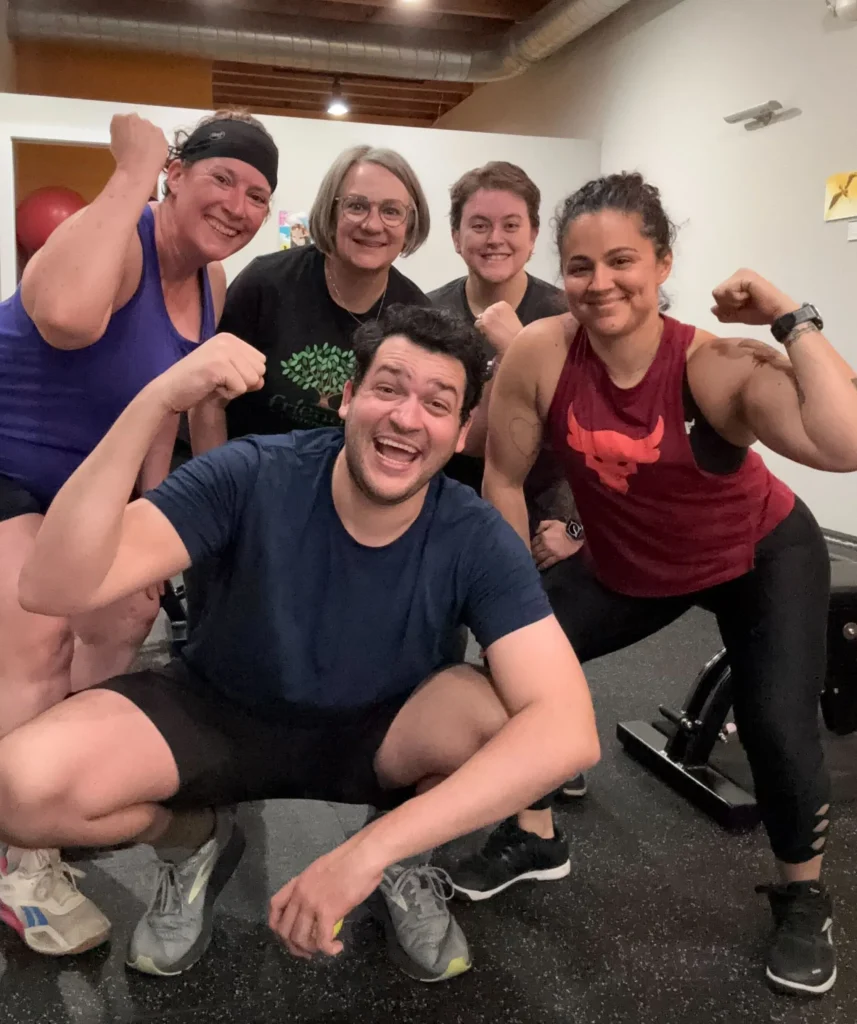
Why prioritize muscle mass and joint stability?
Muscle mass and strength decline with age, and the changes to aging muscles can be profound. Howard Luks, MD, reports that muscle mass starts to diminish as early as a person’s 30s. This decline directly affects health, mobility, and independence. Without intervention, the loss compounds over decades.
Maintaining strength and power becomes increasingly difficult with age. The consequences extend beyond simple weakness. Reduced strength impacts the ability to move across the landscape without effort. It also increases fall risk and compromises metabolic health and glucose control. These losses accumulate silently until daily tasks become difficult.
What happens to muscles as the body ages?
Muscle tissue changes with age in ways that affect function. The decline begins earlier than most people expect. By the 30s, muscle mass starts to diminish. The changes that occur to muscles over subsequent decades can be profound. This deterioration dramatically affects overall health.
How does muscle loss affect daily independence?
Strength and power are not easy to maintain as the body ages. The loss impacts the ability to move without effort. Fall risk increases when strength declines. Proper metabolic health and glucose control also depend on muscle mass. These functions deteriorate together when muscle is not preserved.
A structured aging fitness program addresses these losses directly. Activate Body’s personal training staff is certified and skilled in the science behind sustainable results. The company provides clients with customized plans and a supportive community atmosphere. This approach supports balance and mobility through progressive resistance work.
Fitness for seniors requires deliberate, consistent effort. The following steps establish a foundation:
- Assess current strength and mobility with a certified trainer.
- Establish baseline measurements for muscle mass and functional movement.
- Begin resistance training at least twice weekly with progressive overload.
- Incorporate balance-specific exercises into each session.
- Reassess strength and mobility every four to six weeks.
Staying active after 60 preserves the muscle that supports independent living. The evidence is clear: muscle mass and strength decline with age, but structured training slows that decline. Senior fitness programs built on resistance training protect mobility, metabolic health, and fall prevention.
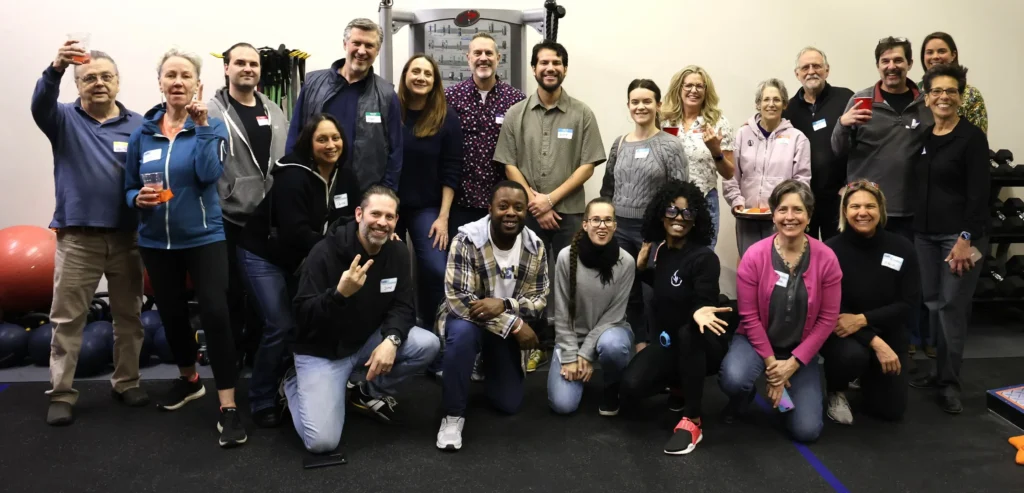
What are the core pillars of senior fitness?
Senior fitness rests on three interdependent pillars: progressive resistance training, dedicated balance and mobility work, and professional programming tailored to the individual. A program missing any single pillar leaves functional capacity on the table. The Journal of the American Academy of Orthopaedic Surgeons published findings in September 2014 confirming that exercise slows bone and joint deterioration in older adults. Musculoskeletal decline correlates more strongly with sedentary behavior than with aging itself.
How does strength training support healthy aging?
Muscle mass begins diminishing as early as the third decade of life. Howard Luks, MD, notes that resistance training proves equally important as general movement for long-term health. Without consistent strength work, an older adult loses the power required to navigate daily environments safely. This loss directly compromises metabolic health and glucose regulation. A structured aging fitness program addresses these declines before they cascade into dependence.
Why is balance training critical after 60?
Falls represent the most immediate threat to independent living. Balance and mobility training directly reduces that risk. Dr. Luks emphasizes that maintaining strength and power across the lifespan determines whether an individual moves across the landscape without effort or faces preventable falls. Staying active after 60 requires deliberate, practiced stability work, not just walking. The body adapts to specific demands; general activity does not substitute for targeted balance drills.
Fitness for seniors demands expert oversight to ensure safety and progression. Baltimore-area adults searching for a personal trainer near me or personal training near me can turn to Activate Body’s Clipper Mill studio at 2010 Clipper Park Road, Suite 115, Baltimore, MD 21211, with additional certified-trainer locations serving Canton, White Marsh, and Columbia. A staff of 12 delivers this programming through two primary formats:
- One-on-One Personal Training: Certified trainers design sessions around an individual’s orthopedic history, current capacity, and specific goals. Every exercise selection and load progression follows a customized plan.
- Small-Group Personal Training: Customized group workouts provide professional coaching within a motivated community setting. Participants receive individualized attention while benefiting from shared accountability.
Both formats apply low-impact progressive resistance as the orthopedic-first foundation. Trainers integrate balance challenges and mobility sequences into every session. The outcome is a program that preserves joint integrity, builds functional strength, and maintains the independence that defines quality of life after 60.
How to structure a joint-sparing weekly routine?
A joint-sparing weekly routine for older adults prioritizes balance and mobility work alongside controlled resistance training. Training supervised by certified coaches reduces injury risk and supports measurable functional gains over time. Without a structured plan, seniors risk accelerated musculoskeletal decline that erodes independence and daily function.
Prerequisites: Medical clearance from a physician is required before beginning any new aging fitness program. Proper footwear and a clear, uncluttered exercise space reduce fall risk.
Follow this four-day weekly template for staying active after 60:
- Day 1: Mobility and gentle cardio. Begin with 10 minutes of dynamic joint circles. Follow with 20 to 30 minutes of low-impact activity such as walking or stationary cycling.
- Day2: Lower-body resistance. Perform bodyweight squats, step-ups, and seated leg presses. Complete 2 to 3 sets of 10 to 12 repetitions. Controlled tempo protects knee and hip joints.
- Day3: Active recovery. Engage in light stretching or a leisurely walk. This day promotes tissue repair without complete inactivity.
- Day4: Upper-body resistance and balance. Combine seated rows and chest presses with single-leg stance drills. Balance training reduces fall risk and reinforces functional strength.
What warm-up is necessary before resistance or balance work?
A warm-up protocol for aging joints is necessary before engaging in resistance or balance work. Five to ten minutes of marching in place, arm circles, and gentle torso rotations increases synovial fluid and tissue elasticity. Skipping this step elevates injury risk and compromises exercise quality.
How does an aging fitness program improve long-term health?
Individuals who increase physical activity experience substantial health benefits. A study published in the Journal of the American Geriatrics Society found that even modest increases in activity produce meaningful gains. Consistent training preserves bone density and maintains the muscular power required for everyday tasks.
Activate Body offers online small-group training with expert-led sessions and real-time feedback. This format delivers professional coaching and program accountability without requiring travel to a facility. Structured remote guidance ensures proper form and steady progression for senior fitness goals.
What common mistakes should seniors avoid?
Many older adults unknowingly adopt exercise habits that accelerate decline rather than prevent it. A sedentary lifestyle contributes more strongly to musculoskeletal deterioration than the aging process itself, according to research published in the Journal of the American Academy of Orthopaedic Surgeons. Avoiding common errors preserves joint health and extends functional independence.
Why does skipping resistance training harm aging bodies?
The changes that occur to muscles with age are profound and dramatically affect overall health. Howard Luks, MD, emphasizes that resistance training is equally important as general movement for maintaining strength and power through later decades. Without it, older adults lose the functional capacity needed for daily tasks.
How should seniors handle joint pain during exercise?
Managing flare-ups and knowing when to modify activity determines long-term adherence. No single exercise formula works for every individual. The key lies in recognizing pain signals and adjusting intensity or movement patterns accordingly. Pushing through joint discomfort often leads to setbacks that derail an entire aging fitness program.
Common mistakes and their consequences:
| Mistake | Result |
|---|---|
| Avoiding resistance training entirely | Accelerated muscle loss and reduced metabolic health |
| Ignoring joint pain signals | Chronic inflammation and exercise abandonment |
| Applying rapid progressive overload | Joint strain and soft-tissue injury in aging connective tissue |
| Prioritizing cardio exclusively | Neglected balance and mobility and bone density maintenance |
Progressive overload must be applied carefully to avoid injury in aging joints. Staying active after 60 requires a measured approach that respects tissue recovery timelines. Activate Body’s programming prioritizes safe, measured progression over rapid gains, reflecting an evidence-based approach to long-term musculoskeletal health. Senior fitness succeeds when consistency outranks intensity. Fitness for seniors demands attention to form, recovery, and individualized modification rather than generic workout templates.
FAQ
What is an ortho-longevity fitness program?
It combines orthopedic safety principles with longevity science to preserve joint function and extend healthspan through structured, low-impact protocols.
How does resistance training support healthy aging?
It slows sarcopenia and protects joint integrity by maintaining strength and power, which become progressively harder to sustain without deliberate effort.
Why prioritize muscle mass and joint stability?
Muscle mass begins diminishing as early as a person’s 30s, and this decline directly affects health, mobility, and independence without intervention.
Conclusion
An ortho-longevity fitness program provides the structured, joint-sparing framework required to preserve independence and functional capacity through later decades. The decision to begin such a program, with medical clearance and professional guidance, represents the single most effective step an older adult can take against accelerated musculoskeletal decline. Consistency, not intensity, determines long-term success.
Start Your Ortho-Longevity Program in Baltimore
Adults pursuing a joint-sparing strength and mobility plan can schedule an assessment with a certified trainer at Activate Body Personal Training, 2010 Clipper Park Road, Suite 115, Baltimore, MD 21211 (directions available via this link). To schedule a strength and mobility assessment, call (410) 235-5220 or contact the team by email at info@activatebody.com.