

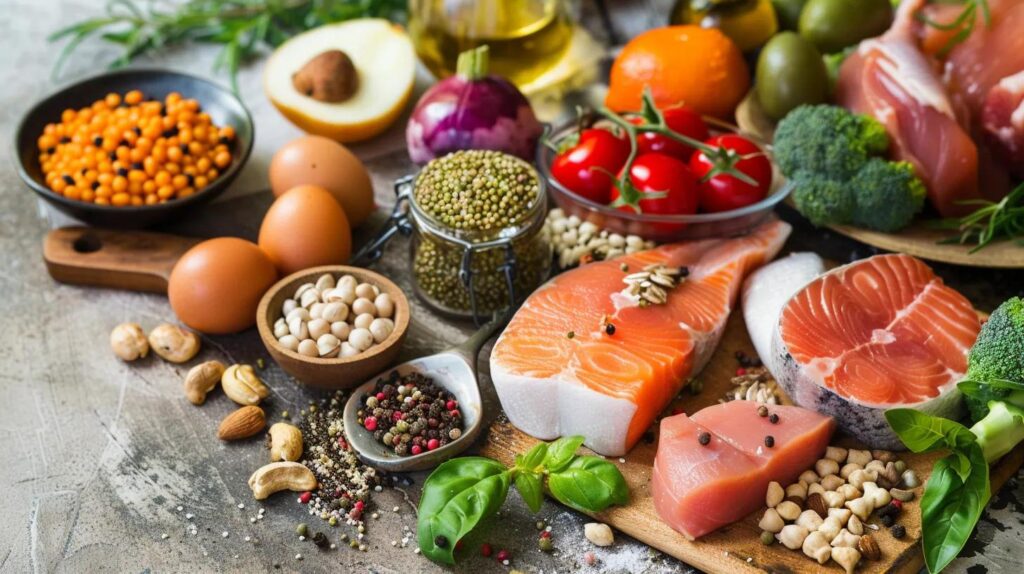
Improving your circulatory system isn’t just about avoiding discomfort—it’s about unlocking energy, protecting your organs, and supporting your long-term health. Every day, I follow natural ways to boost circulation that align with expert recommendations from health professionals, clinical trial findings, and my own experience working with a Nutrition Coaching program in Stamford.
Healthy blood flow means your arteries and veins can deliver oxygen, vitamins, and nutrients to every muscle, organ, and tissue in your body efficiently. If you’ve ever experienced swelling (edema), cramping in your legs, or numbness in your toes and fingers, these may be signs that your blood vessels are under strain. Issues like hypertension, peripheral artery disease, or atherosclerosis can all interfere with hemodynamics, raising your risk of cardiovascular disease or deep vein thrombosis.
That’s why I combine nutrient-dense foods (rich in antioxidants, flavonoids, and omega-3 fatty acids from oily fish like salmon and mackerel), targeted exercises such as aerobic workouts and yoga, and lifestyle habits that manage stress and improve vascular flexibility. I’ve also integrated garlic, beetroot juice, citrus, green tea, and turmeric into my diet, which research suggests can help trigger vasodilation by increasing nitric oxide levels.
To boost circulation naturally, I avoid excessive sodium, sugar, and red meat, and limit alcohol to protect the endothelium (the inner lining of the arteries). Every method I use is grounded in a healthy diet, evidence-backed supplements like ginkgo biloba and vitamin C, and consistent physical activity.
Whether you want to improve blood pressure, reduce inflammation, or simply feel less fatigue, you can follow these same daily habits. With guidance from the right fitness and nutrition experts, you can protect your arteries, manage weight, and enhance your quality of life—naturally and safely.
Prioritize a Circulation-Friendly Diet
A healthy diet is one of the most effective natural ways to boost circulation. Foods high in antioxidants, flavonoids, and polyphenols—such as berries, citrus, kale, and pomegranate juice—help reduce oxidative stress and inflammation in your blood vessels. These nutrients promote vasodilation, allowing your arteries to carry oxygen-rich blood efficiently.
I’ve found that incorporating beetroot, spinach, tomatoes, garlic, and oily fish like salmon and mackerel not only supports cardiovascular health but also improves my overall energy. According to the American Heart Association, diets rich in omega-3s can lower the risk of coronary artery disease and improve heart rate variability.
Avoiding excess fat, sodium, and sugar reduces the risk of hypertension and atherosclerosis, both of which can narrow blood vessels and disrupt hemodynamics. Pair this with hydration from water, tea, or pomegranate juice to keep your circulatory system running smoothly.
H3: Incorporate Antioxidant-Rich Foods
Antioxidants combat oxidative stress that can damage artery walls. Berries, citrus fruits, and green tea are staples in my daily diet. Research suggests flavonoids in these foods improve endothelial function and help regulate blood pressure. I often combine these with almonds and walnuts for a healthy snack that supports vascular health.
Limit Harmful Dietary Choices
To improve your circulation naturally, reduce foods that contribute to inflammation and poor blood vessel function. This includes processed meat, high-sodium snacks, and excess sugar. I’ve noticed that replacing red meat with plant-based proteins and oily fish significantly improved my energy and reduced swelling in my legs.
Engage in Aerobic Exercise and Stretching
Consistent physical activity strengthens your heart and improves circulation efficiency. I aim for aerobic exercise—like swimming, walking, and cycling—at least five times a week. This boosts oxygen delivery, lowers blood pressure, and helps manage weight.
Adding daily stretching and yoga improves flexibility, reduces stiffness, and promotes healthy blood flow in the limbs. Even ankle circles, toe raises, and calf stretches improve circulation in the lower body, reducing the risk of deep vein thrombosis.

Low-Impact Cardio Options
For those with joint concerns or medical history that limits high-intensity workouts, swimming and squat alternatives are excellent. They improve circulation without stressing the joints, particularly the hips, knees, and ankles.
Quick Desk-Friendly Stretches
If you have a sedentary lifestyle, stand up and move every 30 minutes. Simple stretches, such as hamstring stretches and shoulder rolls, promote blood vessel elasticity and prevent pooling of blood in the legs.
Manage Stress and Improve Mental Health
Chronic stress increases blood pressure and contributes to inflammation, reducing circulation efficiency. Techniques like breathwork classes—available through Activate Body’s programs—help reduce tension, balance oxygen and carbon dioxide exchange, and improve overall cardiovascular function.
Meditation, mindfulness, and relaxation techniques have been linked in systematic reviews to better vascular health and reduced risk of hypertension.
Practice Daily Breathwork
Five minutes of focused breathing can improve nitric oxide production, aiding vasodilation. Try diaphragmatic breathing before bed to calm your nervous system and improve sleep quality.
Use Mindfulness for Stress Control
Mindfulness-based stress reduction helps patients with cardiovascular disease and type 2 diabetes manage emotional triggers that may elevate blood pressure.
Include Targeted Nutrients and Supplements
Nutrients like vitamin C, vitamin E, magnesium, iron, and potassium play key roles in circulation and tissue oxygenation. I often recommend ginkgo biloba, cayenne pepper, and turmeric as natural supplements that support vascular health.
Consult a health care provider before starting supplements—especially if you’re on medication like aspirin or warfarin—to avoid interactions.

Benefits of Omega-3s
Omega-3 fatty acids from oily fish like mackerel and salmon reduce triglycerides, improve endothelial function, and decrease the risk of vascular disease.
The Role of Flavonoids
Flavonoids from cocoa, green tea, and berries can enhance nitric oxide bioavailability, improving circulation efficiency.
Prioritize a Circulation-Friendly Diet
A healthy diet is one of the most effective natural ways to boost circulation. Foods high in antioxidants, polyphenols, and flavonoids—like berries, citrus, and kale—help reduce oxidative stress and improve endothelial function.
In my own journey, including spinach, tomatoes, garlic, and oily fish like mackerel has improved my hemodynamics and reduced inflammation. According to the American Heart Association, these foods may lower the risk of coronary artery disease.
Hydration also matters: I drink green tea, black tea, and plenty of water daily to keep my blood volume optimal.
Incorporate Antioxidant-Rich Foods
Blue zone diet principles emphasize plant-based, nutrient-rich eating. I use berries, citrus, and green tea daily for their flavonoids, which enhance vascular health and help regulate blood pressure.
Limit Harmful Dietary Choices
Avoid processed meat, trans fats, and excessive sodium to protect your arteries. I replaced red meat with oily fish and saw a noticeable improvement in my energy and skin health.
Engage in Aerobic Exercise and Stretching
Physical activity strengthens the heart, improves oxygen delivery, and maintains healthy artery function. I do at least 150 minutes of aerobic exercise weekly—like swimming, walking, and cycling—to improve circulation naturally.
Stretching and yoga keep my limbs flexible and reduce stiffness, preventing blood pooling in the legs and ankles.
Low-Impact Cardio Options
If you have joint concerns, try squat alternatives, swimming, or wall sits for circulation without strain.
Quick Desk-Friendly Stretches
In a sedentary lifestyle, stand and stretch every 30 minutes. Toe raises, hip rotations, and ankle circles boost blood flow and prevent edema.
Manage Stress and Improve Mental Health
Stress triggers higher blood pressure and inflammation, affecting circulation. Techniques like breathwork classes and mindfulness improve vascular health.
Studies and systematic reviews show relaxation can help those with type 2 diabetes and atrial fibrillation maintain stable blood pressure.
Practice Daily Breathwork
Five minutes of deep breathing can stimulate nitric oxide release, supporting vasodilation.
Use Mindfulness for Stress Control
Mindfulness helps patients manage emotional triggers, supporting better heart rate regulation and circulation.
Include Targeted Nutrients and Supplements
Vitamins and minerals like vitamin C, vitamin E, magnesium, and potassium enhance tissue oxygenation and blood vessel health.
Natural aids like ginkgo biloba, cayenne pepper, and turmeric have research supporting their role in increasing circulatory efficiency.
Benefits of Omega-3s
Salmon and mackerel deliver omega-3s that reduce triglycerides and support endothelium function.
The Role of Flavonoids
Flavonoids in cocoa, berries, and green tea boost nitric oxide bioavailability, reducing vascular disease risk.
H2: Monitor and Manage Blood Pressure
High blood pressure damages artery walls. I use In body scans and regular check-ins with a health professional to track my cardiovascular metrics.
Lifestyle adjustments like weight management, reduced sodium intake, and aerobic exercise keep my numbers in a healthy range.
Adopt the Mediterranean Diet
This diet improves circulation and reduces the risk of coronary artery disease.
Reduce Sodium Intake
Less salt protects against hypertension and stiffness in blood vessels.
Support Vein and Artery Health Through Lifestyle Changes
Avoiding smoking, reducing alcohol, and staying active all contribute to better circulation. Private gym membership helps keep me accountable.
Avoid Prolonged Sitting
Extended sitting increases gravity-related blood pooling in the legs. Frequent breaks improve hemodynamics.
Maintain Healthy Weight
Weight loss reduces strain on the heart and improves blood flow.
Seek Professional Guidance
Working with a personal trainer or small group training program ensures exercises match your needs. Nutrition coaching tailors your diet for circulation support.
Personalized Training
Trainers design safe workouts even for those with vascular surgery history.
Custom Nutrition Protocols
Nutritionists create meal plans that enhance bioavailability of circulation-friendly nutrients.
FAQ: Boosting Circulation Naturally
Services Available:
- 1-on-1 Personal Training
- Small Group Training
- Semi-Private Training
- Nutrition Coaching and Custom Nutrition Protocols
- In Body Scans
- Hype Sessions
- Private Gym Membership
- Breathwork Classes
- Custom Online Training Programs
Q1: What is the fastest natural way to boost circulation? A: Combine aerobic exercise, a healthy diet rich in antioxidants, and stress management techniques.
Q2: Does beetroot juice really help circulation? A: Yes. Beetroot increases nitric oxide, which improves vasodilation and oxygen delivery.
Q3: Can supplements improve blood flow? A: Yes, options like ginkgo biloba and omega-3 fatty acids can help, but consult a health care provider first.
Q4: Is yoga effective for circulation? A: Absolutely. Yoga promotes flexibility, reduces inflammation, and improves hemodynamics.
Conclusion
Boosting circulation naturally isn’t a quick fix — it’s a lifestyle grounded in science, expert recommendations, and daily commitment. By integrating nutrient-dense foods, consistent physical activity, and stress-management techniques, you’re aligning your habits with evidence-based strategies endorsed by organizations like the American Heart Association and supported by systematic reviews published in leading cardiology journals.
My own results with personal training and nutrition coaching in Stamford reflect what clinical trials have shown: healthy dietary patterns rich in antioxidants and omega-3 fatty acids, combined with regular aerobic exercise, can improve vascular function, lower blood pressure, and reduce the risk of cardiovascular disease. Research also confirms that maintaining healthy body weight, limiting processed foods, and avoiding excessive alcohol and sodium contribute to healthier arteries and better oxygen delivery to tissues.
Whether you’re an athlete, managing a chronic condition, or simply aiming for greater quality of life, these natural ways to boost circulation have the backing of both personal experience and scientific validation. Partnering with qualified health professionals ensures your plan is safe, tailored, and effective — giving you the confidence that every step, stretch, and bite is moving you toward long-term health and vitality.