

Transform Your Fitness Routine with Dynamic Workout Classes in Canton

Dynamic workout classes in Canton combine varied movement patterns, coach-led progressions, and community momentum to produce measurable fitness transformations. This article explains what dynamic classes are, how they work physiologically and behaviorally, and which formats — from HIIT to strength-focused sessions — best match common goals like fat loss, muscle gain, and endurance.
Many Canton residents struggle with plateaus, inconsistent motivation, or unclear programming; dynamic classes solve these issues by delivering progressive overload, metabolic stimulus, and social accountability. Below you’ll find clear comparisons between class types, a focused look at personal training versus small-group formats, and step-by-step guidance to start and sustain a transformation using small group personal training. Practical checklists, comparison tables, and action-oriented tips are included so you can pick the right classes, evaluate trainers, and measure progress over time.
What Are Dynamic Workout Classes and How Do They Improve Your Fitness Routine in Canton?
Dynamic workout classes are coach-led sessions that combine varied movement modalities, planned progressions, and scalable intensity to drive physiological adaptation. They improve fitness by providing systematic overload, frequent metabolic challenges, and skill development that together increase strength, cardiovascular capacity, and movement efficiency. In Canton, class frequency, instructor guidance, and programming variety amplify these benefits by reducing plateaus and enhancing adherence through social reinforcement. Understanding the specific class formats available locally helps residents align sessions with their goals and schedules.
Which Types of Dynamic Workout Classes Are Available in Canton?
Canton offers a spectrum of dynamic classes that suit beginners through advanced participants and different objectives. HIIT classes use short, intense intervals to maximize calorie burn and metabolic afterburn, typically lasting 20–45 minutes with high intensity. Strength training classes center on progressive resistance and compound lifts in 45–60 minute formats to build muscle and functional strength. Functional and circuit classes mix strength and conditioning for practical movement and endurance improvements, while hybrid options integrate in-person coaching with online small group personal training to support consistency. These formats provide flexible choices depending on time, recovery needs, and goals.
How Do Dynamic Classes Help Achieve Fitness Transformation Goals?
Dynamic classes translate to transformation by combining three mechanisms: progressive overload for strength gains, metabolic stimulus for body composition changes, and behavioral consistency via scheduled sessions and peer support. Progressive overload occurs through increasing resistance, volume, or complexity across sessions, which stimulates muscle adaptation and improved endurance.
Metabolic stimulus from interval work and compound movements raises calorie expenditure during and after workouts, aiding fat loss. Regularly attending coached classes also builds routines and accountability, which is essential for sustaining long-term results.
Why Choose Personal Training and Small Group Training in Canton for Customized Fitness?
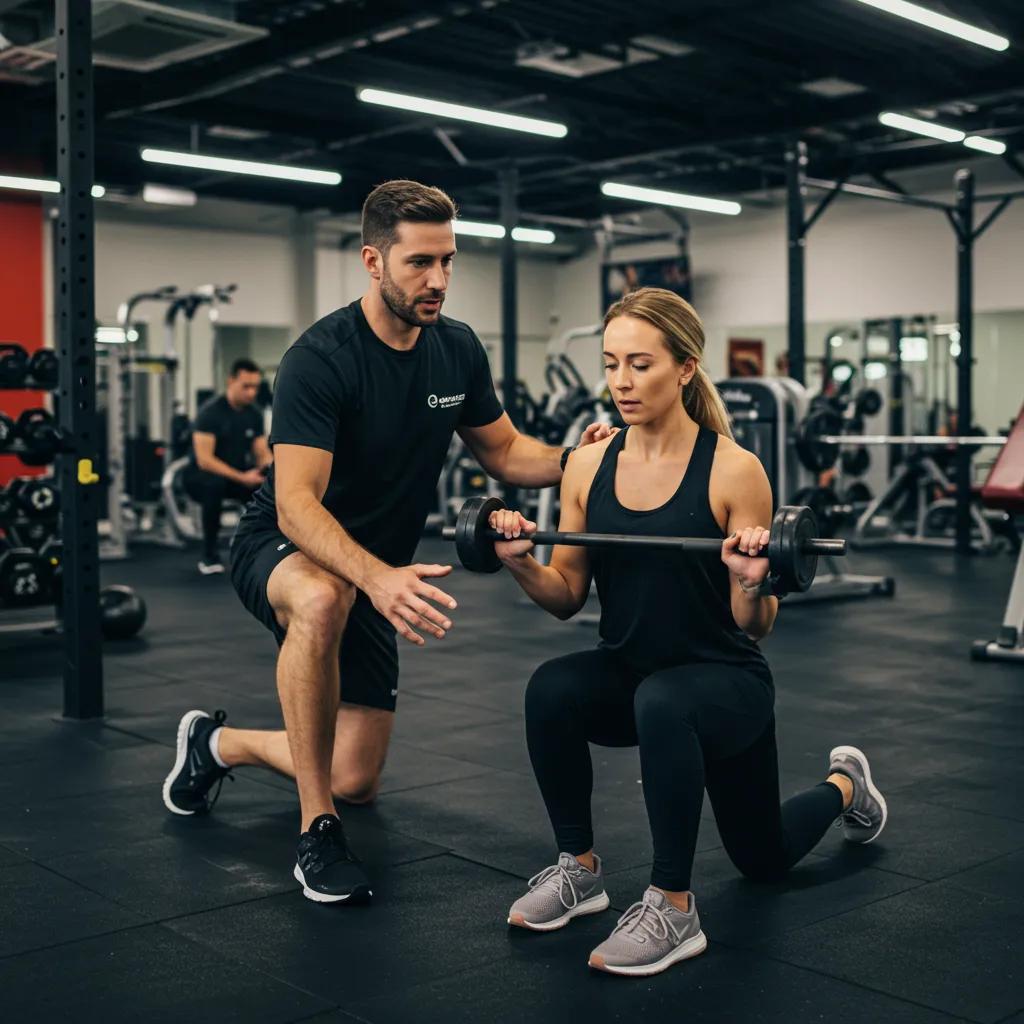
Personal training and small-group personal training offer graduated personalization and accountability that complement dynamic group classes. One-on-one coaching delivers individualized programming, technical correction, and focused progression planning for clients with specific goals or injury histories. Small-group personal training provides much of the same coaching attention but shares cost and adds social motivation, making it an efficient middle ground for many Canton residents. Both formats improve efficiency and technique compared with large-format classes, often speeding progress through tailored load management and measurable benchmarks.
What Are the Benefits of Personal Training with Canton’s Best Trainers?
Personal training delivers targeted assessments, individualized programming, and close form supervision that accelerate progress and minimize injury risk. A certified trainer can design periodized plans, correct movement patterns, and provide objective metrics such as load progression and measurable strength or endurance improvements. For individuals returning from injury, training offers rehabilitative modifications and monitored progression to restore capacity safely. These direct benefits make personal training particularly valuable for clients with specific timelines or clinical considerations.
How Does Small Group Personal Training Build Community and Motivation in Canton?
Small-group personal training blends focused coaching with peer support, producing higher motivation and adherence compared with solo workouts. Groups of 4–8 participants create accountability through scheduled sessions and friendly competition while allowing the coach to scale exercises and track individual progress. Cost per person is typically lower than one-on-one training, which makes consistent coaching more accessible to a broader segment of Canton residents. The social environment also tends to improve retention, turning workouts into recurring community events rather than isolated tasks.
| Training Format | Personalization | Cost per Session (typical range) | Coach Attention | Community |
|---|---|---|---|---|
| One-on-One Training | High — tailored plans and technique coaching | $40–$70 | One-to-one continuous supervision | Minimal, focused on individual |
| Small-Group Training | Moderate — individualized within group context | $25–$50 | Shared but personalized cues and progressions | Strong peer support and accountability |
| Standard Group Classes | Low — generalized programming for groups | $5–$25 | Instructor manages large class, less individual correction | High group energy, variable personalization |
This comparison shows how trade-offs between personalization, cost, and community influence which format best suits different goals and budgets.
Which Strength Training and Cardio Classes in Canton Deliver Effective Results?
Choosing between strength training and cardio/HIIT classes depends on your primary goal: muscle and functional capacity vs. metabolic conditioning and caloric expenditure. Strength classes emphasize progressive resistance and neuromuscular adaptation, producing long-term increases in resting metabolic rate and functional strength when attended regularly. Cardio and HIIT classes prioritize heart and lung conditioning, fat loss, and energy; they often produce rapid cardiovascular gains and efficient calorie burn in shorter timeframes. Matching class type to goal and recovery capacity ensures safer, faster progress.
How Do Strength Training Classes in Canton Help Build Muscle and Endurance?
Strength classes use progressive overload, structured rep ranges, and planned rest to stimulate hypertrophy and neural adaptations that increase force production and endurance. Typical sessions include compound lifts, accessory work, and programmed progression across weeks to ensure continual adaptation. Attending 2–4 strength sessions weekly with appropriate recovery and nutrition often yields measurable strength gains within 6–12 weeks. Consistent tracking of loads and repetitions helps quantify progress and adjust programming for continued improvement.
What Cardio and HIIT Classes Are Best for Weight Loss and Energy Boost in Canton?
HIIT classes combine brief maximal efforts with recovery intervals to produce high relative calorie burn and post-exercise oxygen consumption, making them efficient for weight loss and metabolic conditioning. Steady-state cardio classes build sustained aerobic capacity and are suitable for longer-duration endurance improvements and lower-impact calorie burning. Beginners should choose lower-impact interval formats and progress intensity gradually to minimize injury risk, while advanced exercisers can increase interval intensity and decrease rest to continue metabolic improvements. Safety and progressive scaling are key to maximizing benefit. You can learn more about fitness programs here.
| Class Type | Primary Goal | Typical Duration | Intensity | Expected Result |
|---|---|---|---|---|
| HIIT | Fat loss, metabolic boost | 20–45 minutes | High | Increased calorie burn and cardiovascular power |
| Strength Training | Muscle gain, functional strength | 45–60 minutes | Moderate–High | Increased muscle mass, strength, and RMR |
| Circuit/Functional | Endurance + strength mix | 30–50 minutes | Moderate | Improved work capacity and movement efficiency |
This table clarifies how class selection aligns with different performance and body-composition objectives. fitness programs
How Can You Start and Maintain Your Fitness Transformation with Canton Gym Classes?

Beginning a transformation in Canton starts with clear goals, trialing class formats, and establishing a tracking system to measure progress. Begin by defining specific outcomes (e.g., lose X pounds, lift Y lbs, run a 5K) and then sample classes to find coaching styles and schedules that fit. Consistent tracking—using simple metrics like session attendance, load increases, and performance times—creates objective feedback for program adjustments. Over time, progressive overload, recovery strategies, and lifestyle alignment sustain improvements and prevent regression.
What Should You Look for When Choosing Canton Fitness Classes and Trainers?
When evaluating classes and trainers, prioritize certifications, class size, coach-to-client ratio, and progression models to ensure effectiveness and safety. Ask about coach credentials (certifications and experience), how the program scales for different fitness levels, and how progress is tracked. Try trial classes to observe coaching style, the quality of technical instruction, and whether modifications are provided. These criteria help identify programs that combine sound exercise science with practical delivery for lasting results.
| Evaluation Item | Why It Matters | Example Outcome/Metric |
|---|---|---|
| Certifications & Education | Ensures evidence-based programming and safety | Reduced injury risk, better technique within weeks |
| Class Size & Coach Ratio | Affects individual attention and form correction | More precise load adjustments and faster progress |
| Progress Tracking | Objective measurement of improvement | Increased loads, improved times, or body-composition changes |
Choosing based on these factors helps you select classes and trainers who deliver reliable progress and measurable outcomes.
How Do Canton Fitness Classes Support Long-Term Health and Stress Relief?
Regular participation in structured fitness classes supports long-term health by improving cardiovascular health, metabolic markers, and functional mobility while reducing stress through endorphin release and routine. Dynamic programs that combine strength, cardio, and mobility promote balanced adaptations that protect against chronic disease and age-related decline. Tracking wellness metrics—sleep quality, energy levels, stress scales, and movement benchmarks—helps quantify broader health benefits beyond appearance. Sustainable habits built around coached classes and community support make fitness an integrated part of daily life rather than a temporary project.
Key starter steps to begin transformation in Canton:
- Set measurable goals: Define clear, time-bound outcomes you can track.
- Try trial classes: Sample formats to find coaching style and intensity that match you.
- Create a weekly schedule: Commit to consistent sessions and recovery days.
- Track progress: Log loads, times, and attendance to inform adjustments.
These steps convert initial interest into a structured plan and long-term habit formation, increasing the likelihood of lasting results.
Frequently Asked Questions
What should I consider when selecting a dynamic workout class in Canton?
When choosing a dynamic workout class in Canton, consider factors such as your fitness goals, class format, instructor qualifications, and class size. Identify whether you prefer high-intensity interval training (HIIT), strength training, or a mix of both. Additionally, assess the coach-to-client ratio to ensure you receive adequate attention and feedback. Trying out trial classes can also help you gauge the coaching style and community atmosphere, which are crucial for maintaining motivation and commitment.
How often should I attend dynamic workout classes for optimal results?
For optimal results, attending dynamic workout classes 3 to 5 times a week is generally recommended. This frequency allows for sufficient exposure to progressive overload, which is essential for strength and endurance gains. However, it’s important to listen to your body and incorporate rest days to prevent overtraining. Balancing different class types, such as mixing strength and cardio sessions, can also enhance overall fitness and keep your routine engaging.
Can beginners participate in dynamic workout classes, and how can they prepare?
Yes, beginners can absolutely participate in dynamic workout classes. To prepare, it’s advisable to start with a fitness assessment, if available, to understand your current fitness level. Begin with classes designed for beginners or those that offer modifications. Familiarizing yourself with basic movements and techniques can also help. Additionally, staying hydrated and wearing appropriate workout gear will enhance your comfort and performance during classes.
What role does nutrition play in achieving fitness goals alongside dynamic classes?
Nutrition plays a crucial role in achieving fitness goals alongside dynamic workout classes. A balanced diet provides the necessary fuel for workouts, aids in recovery, and supports muscle growth. Focus on consuming a mix of macronutrients—proteins for muscle repair, carbohydrates for energy, and healthy fats for overall health. Staying hydrated is equally important. Consulting with a nutritionist can help tailor a diet plan that complements your fitness routine and specific goals.
How can I track my progress effectively while attending classes?
Tracking progress effectively involves setting measurable goals and using various metrics to monitor improvements. Keep a workout journal to log attendance, weights lifted, and performance times. Many fitness apps also offer tracking features that can help visualize your progress over time. Regularly reassessing your goals and adjusting your training plan based on your progress will ensure you stay on track and motivated throughout your fitness journey.
What are the benefits of combining personal training with dynamic classes?
Combining personal training with dynamic classes offers several benefits, including personalized attention and tailored programming that addresses individual needs. Personal trainers can provide specific feedback on form and technique, which enhances safety and effectiveness. This combination also allows for a more structured approach to achieving fitness goals, as trainers can help set realistic milestones and adjust workouts based on progress. Additionally, the social aspect of group classes can enhance motivation and accountability. personal training
Conclusion
Dynamic workout classes in Canton offer a unique blend of community support, structured programming, and varied intensity to help individuals achieve their fitness goals effectively. By participating in these classes, residents can overcome plateaus, enhance motivation, and experience measurable transformations in strength and endurance. To embark on your fitness journey, consider trying out different class formats and tracking your progress for optimal results. Discover the diverse options available at local gyms and take the first step towards a healthier lifestyle today.